
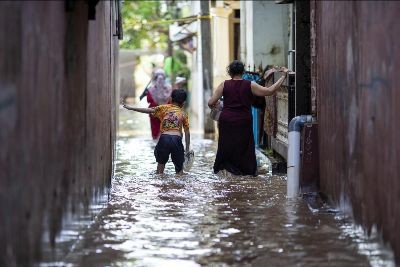
Amid the rising frequency and intensity of climate-related disasters, the United Nations Economic and Social Commission for Asia and the Pacific (ESCAP) is emphasizing the crucial function of Civil Registration and Vital Statistics (CRVS) systems in both disaster preparedness and recovery. These systems help identify vulnerable populations, track mortality, and ensure access to aid, aligning with Sustainable Development Goals (SDGs).
In recent blog posts, ESCAP argues that CRVS systems, which document births, deaths, and other vital events, are indispensable for locating displaced people, coordinating humanitarian aid, and providing legal identity during crises. When CRVS infrastructure is not strong and falters during crisis, it reveals gaps in the ability to handle large-scale disruptions, leaving many disaster victims left out of official records, which complicates relief efforts and long-term recovery. While countries have made strides in strengthening CRVS systems under the Asia-Pacific CRVS Decade initiative, questions remain about their resilience to future shocks
The posts also highlights the systems' own fragility, noting that damaged infrastructure and mass displacement can disrupt them. To address this, ESCAP advocates for crisis-ready CRVS systems that can operate during emergencies through digital tools, continuity plans, and robust infrastructure. Accurate birth and death data are vital for disaster risk reduction, health planning, and post-crisis recovery. This strategy would not only strengthen immediate response but also support long-term, inclusive resilience.
This appeal follows the Third Ministerial Conference on CRVS in Asia and the Pacific, where governments recommitted to building resilient systems that protect identity and dignity, even in the midst of a disaster. With climate change, conflict, and pandemics posing ongoing risks, sustained investment and political will are needed to safeguard progress, and ensure these systems continue to protect lives and inform policy during crises
Read the latest blogs from ESCAP here: