
• 2026 CRVS Research Forum

    The United Nations Economic and Social Commission for Asia and the Pacific (ESCAP), in collaboration with the United Nations Economic Commission for Africa (ECA), will organize the second CRVS Research Forum on 30 March - 1 April 2026 in Bangkok, Thailand.

    Read More
  • 2025 review of CRVS progress in Asia and the Pacific

    Members and Associate Members of ESCAP have undertaken a review of their progress since the inception of the Asia Pacific CRVS Decade in 2014. Data from questionnaires distributed in 2024 to National CRVS focal points have been compiled into a Report on the 2025 Review of Progress Made on Civil Registration and Vital Statistics in Asia and the Pacific After a Decade of Getting Every One in the Picture.

    Read More
  • 2025 Civil Registration and Vital Statistics Applied Research Training Initiative

    The CRVS applied research training (CART) initiative focuses on enhancing CRVS systems through supporting applied research on strategies, interventions, and tools. This involves designing projects to address practical questions, employing robust methodologies, and identifying key personnel for effective implementation and publication. The need to strengthen practitioners' research capacity is evident, as highlighted in the Asia-Pacific CRVS research forum held in 2023. 

    Read More
  • Civil Registration and Vital Statistics Systems Improvement Framework

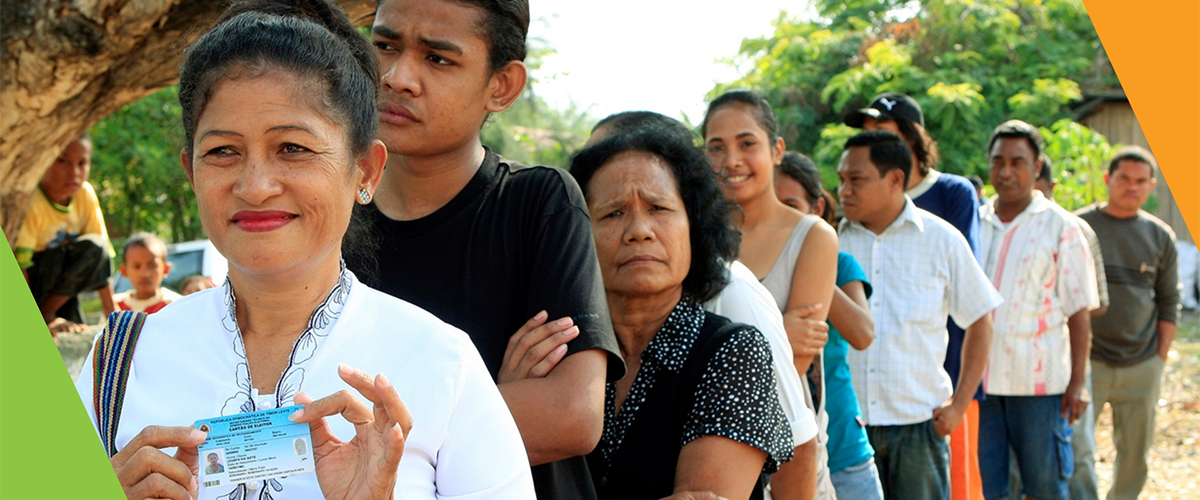
    To meet the targets of the CRVS Decade, a Business Process Improvement approach can help improve and streamline Civil Registration and Vital Statistics (CRVS) system. The CRVS Systems Improvement Framework help CRVS stakeholders assess, analyze and redesign, to improve user experience and produce timely vital statistics. 

    Read More

Follow CRVS news in Asia and the Pacific by subscribing to the CRVS Insight Newsletter

The CRVS community in Asia and the Pacific has reflected on where it stands at the midpoint of the CRVS Decade (2015-2024) during the Second Ministerial Conference. Following this celebration of progress, many of our partners and member countries are leading actions to fill the remaining gaps.

To learn more about CRVS in Asia and the Pacific, please subscribe to our newsletter, which offers a monthly panorama of CRVS actions throughout the region

Previous editions can be found here.


Bangladesh: Experts call for legal amendments to streamline Birth, Death Records

At a recent workshop hosted by PROGGA (Knowledge for Progress) and the Global Health Advocacy Incubator (GHAI), public health experts in Bangladesh advocated for legislative amendments to ensure 100% birth and death registration. A key recommendation was to legally assign registration responsibilities to hospital authorities.


Experts argue that shifting the burden from families to healthcare institutions, where 67% of births occur, would streamline the process and support the government’s goal of universal registration by 2030.


Guidance Note: The Intersection of Legal Identity and Return, Readmission, and Reintegration

The United Nations Network on Migration has issued a new Guidance Note emphasizing the pivotal role of legal identity in facilitating the return, readmission, and reintegration (RRR) of migrants. Titled ‘Legal Identity: A Cornerstone for Dignified Return, Readmission, and Reintegration’, the document frames legal identity as a foundational human right, essential for ensuring safe and dignified migration processes.


Fiji's CRVS Awareness Campaign connects communities and provides legal identity

Fiji has launched a nationwide campaign to improve birth registration and legal identity, focusing on underserved rural and maritime communities. Running from June to September 2025, the initiative is a joint effort by government ministries and international partners. It targets ten regions with the longest delays in registration, deploying mobile teams equipped with off-grid technology to deliver on-the-spot services.


Strengthening CRVS Systems: Safeguarding Lives and Identity in Times of Crisis

Amid the rising frequency and intensity of climate-related disasters, the United Nations Economic and Social Commission for Asia and the Pacific (ESCAP) is emphasizing the crucial function of Civil Registration and Vital Statistics (CRVS) systems in both disaster preparedness and recovery. These systems help identify vulnerable populations, track mortality, and ensure access to aid, aligning with Sustainable Development Goals (SDGs).


Philippines President champions Digital ID for inclusive public services

At the Manila Tech Summit in August 2025, Philippine President Ferdinand R. Marcos Jr. highlighted the tangible benefits of digital transformation for the nation's citizens, with a strong focus on the Philippine Identification System (PhilSys) and the Digital National ID. Marcos emphasized that these digital advancements would translate to more efficient and accessible public services.


Community engagement doubles birth registration completeness in Cambodia

A pilot initiative by Cambodia's General Department for Identification, Vital Strategies, Plan International and Organisation internationale de la Francophonie (OIF) with support from Rain Barrel Labs, is demonstrating the power of community engagement in strengthening civil registration systems. The project targeted 14 underserved communes, aiming to improve birth registration through locally driven strategies.


Unique Identifiers in Civil Registration: Strengthening Governance and Statistics through Inclusive Identity Systems

Unique identifiers are a key tool for countries aiming to build more resilient and inclusive digital public infrastructure. A recent report developed by United Nations Child’s Fund (UNICEF) and Economic and Social Commission for Asia and the Pacific (ESCAP) together with the UN Legal Identity Agenda Task Force highlights their critical role in linking civil registration and vital statistics (CRVS) systems with national identification frameworks, a move that is central to improving governance and service delivery.


CART Cohort 3 Applications now open

The CRVS Applied Research Training (CART) initiative is a one-year capacity-building programme designed to strengthen research and analytical skills for professionals working on CRVS. It supports participants in conducting their own applied research projects that aim to improve the completeness, quality, and use of CRVS data. The programme combines e-learning resources, mentorship, and collaborative opportunities such as in-person workshops to enhance quality and impact of research projects.


Events

News

Resources