
25 Nov 2024
Papua New Guinea drives biometric voting and national ID for electoral process reform
TAGS

Newsletter Nov. 2024

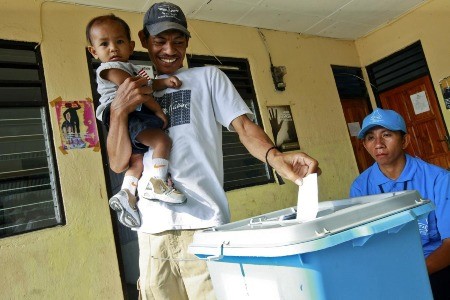
Papua New Guinea (PNG) is taking significant steps to reform its electoral process. A key component of this reform is the implementation of biometric voting and the strengthening of the National Identification (NID) system.

The government aims to issue NID cards to all citizens by 2025 and introduce biometric voting technology by 2027. By incorporating biometric data such as fingerprints and facial recognition, PNG aims to enhance the accuracy and transparency of its elections, reduce voter fraud, and ensure that only eligible citizens can cast their ballots.The implementation of a robust national ID system will also streamline various government services, improve public service delivery, and facilitate economic development.

Click here for full article. 
More News

30 January 2026

The World Health Organization (WHO) has released a technical manual for the assignment of causes of…

30 January 2026

After the pilot digital birth certificate programme in 2024 for people born in New South Wales,…

30 January 2026

Japan’s digital identity system reached a pivotal milestone as  Matsumoto Hisashi, Minister…

30 January 2026

Following the success of its soft launch for BruneiID App in November 2025, Ministry of Home…

30 January 2026

Our community newsletter puts a spotlight on people who have gone above and beyond in their efforts…

30 December 2025

Our community newsletter puts a spotlight on people who have gone above and beyond in their efforts…

30 December 2025

A new discussion paper by ESCAP, in collaboration with UNFPA and Vital Strategies, reviews the…

30 December 2025

Kazakhstan has reached a significant milestone in child rights protection, achieving an almost…

30 December 2025

Photo credit: UNFPA / Asad ZaidiAs the annual 16 Days of Activism against Gender-Based Violence (…

30 December 2025

In an increasingly digital world, incomplete birth records are emerging as a major barrier to…