
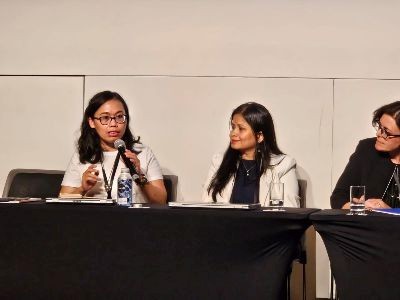
With a diverse background in various fields of statistics, Winida now serves as a statistician specializing in population and mobility at BPS-Statistics Indonesia. Through the first cohort of the Civil Registration and Vital Statistics Applied Research Training (CART), Winida developed her own research project evaluating Indonesia’s progress from 2015 to 2023. Her study analyzes the factors influencing birth certificate ownership among children under five, with particular attention to regional disparities in registration completeness across the country. Winida presented her findings at the International Population Conference (IPC) 2025 in Brisbane (13–18 July 2025). Drawing on nationally representative data from 2015 to 2024, the research provides new insights into birth certificate ownership among children aged 0–4 years in Indonesia.
Birth certificate ownership among Indonesian children under five increased from 73% in 2015 to 85% in 2024, an average growth of 1.25 percentage points per year. Although this reflects steady improvement, this pace remains insufficient. If current trend continues, completeness is projected to reach only 93% by 2030, falling short of the universal legal identity target set under SDG 16.9.
Winida’s study shows that younger children are still less likely to be registered, with many births only recorded at school age. Maternal education strongly influences outcomes, and children living with their biological mother are twice as likely to be registered. Moreover, children whose mothers are in registered marriages are four to six times more likely to be registered than those whose mothers are not. Access to health facilities at childbirth is another key factor, while social assistance programs, once a barrier, have become a driver of registration over the past decade.
However, children in rural areas and eastern provinces remain less likely to have their births registered than those in urban and western regions, highlighting persistent regional gaps that need to be addressed.
These findings underscore the urgent need to accelerate progress through targeted interventions, including early registration campaigns, broader outreach, and stronger links between civil registration, health, and social protection services, are essential. Coordinated action across relevant agencies can help close the remaining gaps, ensuring that every child in Indonesia is recognized and protected from birth.
Congratulations to Winida for this important contribution!